There’s nothing more frustrating than finally getting a stretch of warm weather, and realizing your lawn mower won’t start. Throughout Western North Carolina and North Georgia, spring and early summer are when homeowners begin preparing their yards, mowing overgrown grass, and getting mountain properties ready for the season. Unfortunately, that’s also when many lawn mower problems start showing up.
Every spring, we have customers stop by the store dealing with the exact same problem — a mower that ran perfectly last season suddenly won’t start.
Getting your mower running is just one part of preparing for the season. If you’re getting your entire property ready, don’t miss our Summer Maintenance Checklist for Mountain Homeowners, which covers everything from lawn equipment and HVAC filters to decks, gutters, and outdoor spaces.
Between our mountain winters and the number of seasonal cabins around Hayesville and the surrounding Lake Chatuge area, lawn equipment often sits unused for months at a time. When mowers sit for months without maintenance or proper storage, common issues like stale fuel, dirty air filters, dead batteries, and spark plug problems can quickly prevent them from starting.
The good news? Some mower startup issues are surprisingly simple to fix yourself. But some problems—like carburetor clogs, electrical failures, or internal engine damage—require professional small engine repair.
At the same time, we also see a lot of homeowners accidentally create bigger problems by continuing to force-start equipment or replacing parts without knowing what’s actually wrong. In many cases, when your lawn mower won’t start, bringing your mower in early for service can save time, frustration, and unnecessary repair costs later on.
In this guide, we’ll walk through the most common reasons why your lawn mower won’t start, what to check first, and when it’s time to bring it in for service. Whether you’re dealing with a push mower that won’t turn over or a riding mower that just clicks, we’ve got you covered.
Quick Takeaways
- Old fuel commonly causes mower startup problems.
- Dirty air filters can reduce engine performance.
- Bad spark plugs are a frequent issue after winter storage.
- Riding mower batteries often lose charge during colder months.
- Seasonal maintenance helps prevent expensive repairs.
- Some mower problems require professional repair.
Old Fuel Is One of the Most Common Problems
Let’s start with the biggest culprit: bad gas. If your mower has been sitting too long with fuel still in the tank, there’s a very good chance that’s your problem. One of the most common power equipment failures we see every year comes from fuel that sat too long during the winter months.
Throughout Western North Carolina and North Georgia, many homeowners store lawn equipment during colder months and don’t use it again until spring or early summer. Mountain cabins and seasonal homes often leave equipment sitting even longer, which increases the chances of fuel-related problems.
We also recommend using ethanol-free fuel whenever possible for small engines and seasonal equipment.
Why Ethanol Fuel Causes Problems
Modern gasoline commonly contains ethanol, which can begin breaking down after just a few months. As fuel ages, it can absorb moisture and leave behind sticky residue inside the fuel system and carburetor. This buildup can restrict fuel flow and make the mower difficult to start.
Fuel Breakdown After Winter Storage
Fuel problems are especially common after winter storage when old gas has been sitting inside the mower for several months. In the mountain communities of Clay County, if you have a cabin or a second home that sits empty from November through April, your mower fuel has likely gone bad.
Signs Your Mower Has Bad Fuel
Homeowners may notice symptoms like sputtering, rough idling, repeated pulling without startup, or a strong stale gasoline smell. In some cases, the mower may briefly start before stalling out completely.
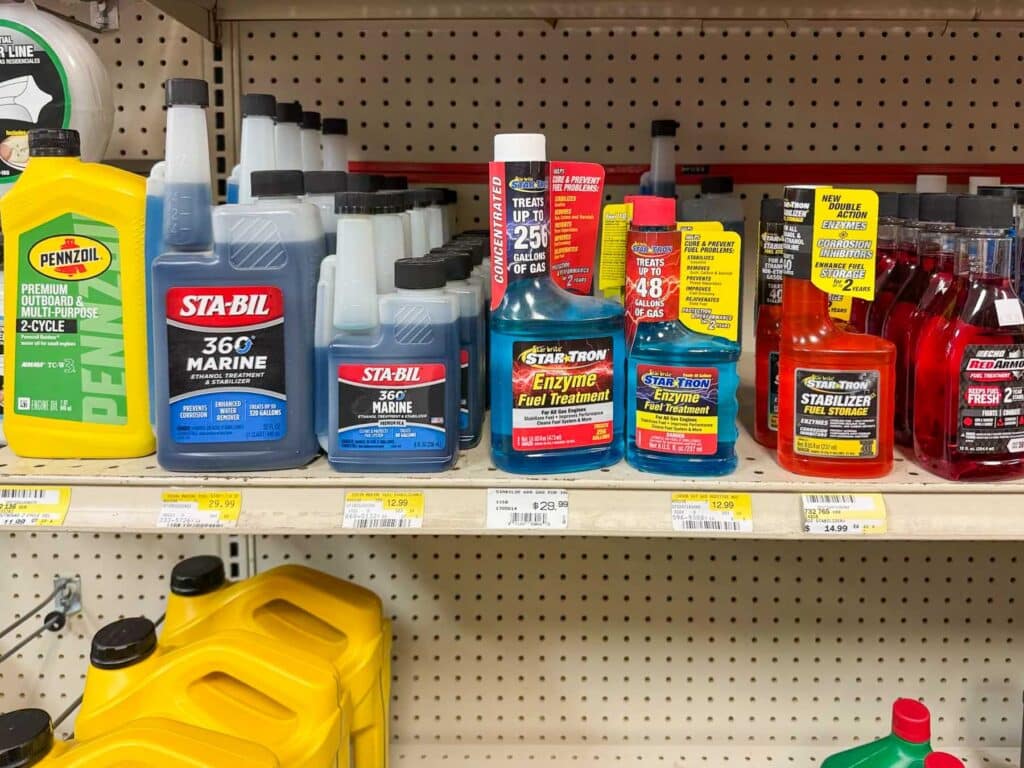
Using fresh fuel and adding a fuel stabilizer before offseason storage can help prevent many of these common mower problems. If stale fuel has already caused buildup inside the carburetor or fuel lines, the mower may require professional cleaning or repair before it will run properly again.
Dirty Air Filters Can Restrict Engine Performance
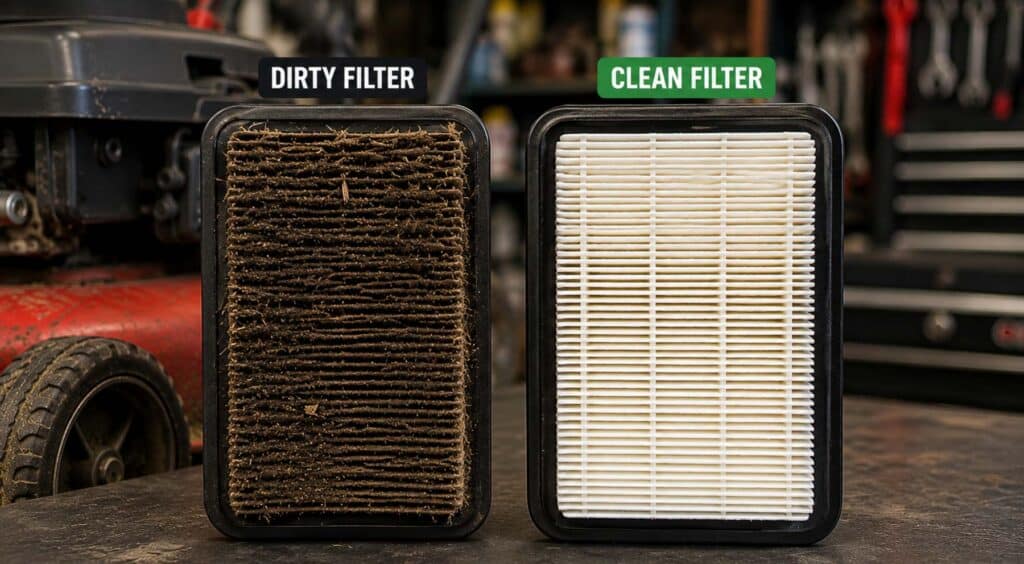
Air filters don’t get much attention, but they’re critical to how your mower runs. When the filter becomes blocked with dirt, grass clippings, pollen, or dust, the engine can begin losing power or fail to start altogether. A clogged filter starves the engine of air, which means it can’t burn fuel properly—and that means it won’t start.
How Dirty Air Filters Affect Why Your Lawn Mower Won’t Start
Your mower’s engine needs a precise mix of air and fuel. When the air filter is packed with dirt and debris, the engine gets too much fuel and not enough air. That leads to hard starting, rough idling, or no start at all.
Dust, Grass Clippings & Mountain Properties
Mountain properties throughout our area often create dusty mowing conditions, especially during dry summer weather. If you’re mowing on a gravel driveway, a dusty hillside, or around a mountain cabin with a lot of dry grass and dirt, your air filter is working overtime. I’ve seen filters that were completely caked after just one season. Homeowners maintaining larger mountain properties or cabins may notice these issues more frequently during peak mowing season.
Signs Your Air Filter Needs Replacement
A dirty air filter may appear dark, dusty, oily, or clogged with debris. Homeowners may also notice reduced power, poor fuel efficiency, increased exhaust smoke, or difficulty starting the mower consistently.
Regularly inspecting and replacing air filters is one of the simplest ways to improve mower performance and help prevent unnecessary engine wear over time.
If your mower still doesn’t seem to be running properly, bring it by George’s Paint & Hardware and our team will be glad to help you get it back up and running for the season.
Spark Plug Problems Are Extremely Common
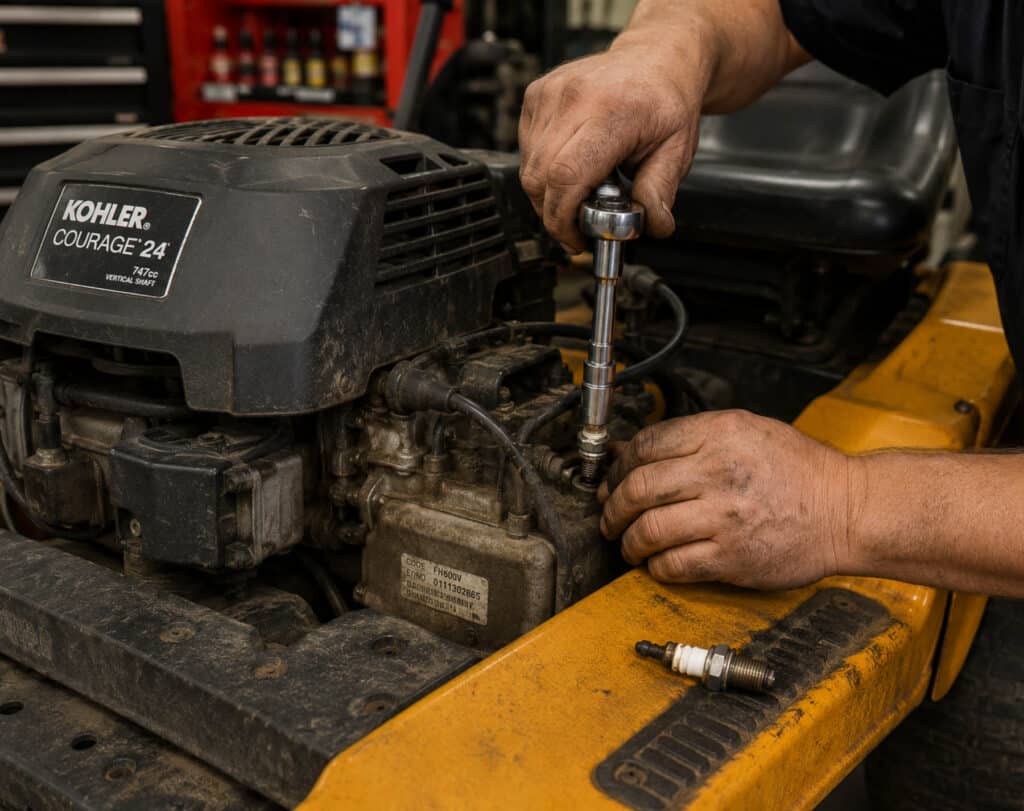
Spark plugs are another common reason lawn mowers struggle to start, especially after sitting unused during the winter months. The spark plug is tiny, but it’s essential. It’s what ignites the fuel in your engine. When it fails, your mower simply won’t start—no matter how many times you pull that cord.
Why Spark Plugs Fail
Spark plugs wear out over time from normal use. But they can also fail prematurely from carbon buildup, fuel fouling, or corrosion—especially if your mower has been sitting idle through a damp mountain winter. Old fuel, moisture, and repeated seasonal storage can also contribute to fuel fouling and corrosion around the spark plug. When this happens, the plug may no longer create a strong enough spark to ignite the fuel properly during startup.
Signs of a Bad Spark Plug
Homeowners may notice symptoms like hard starts, rough idling, sputtering, poor engine performance, or a mower that repeatedly fails to start altogether. In some cases, the engine may crank normally but never fully turn over.
A spark plug that appears blackened, oily, corroded, or heavily coated with buildup may need to be cleaned or replaced.
Why Your Lawn Mower Won’t Start After Winter Storage
Spark plug problems are especially common after winter storage when lawn equipment has been sitting unused for several months. Mountain homes, seasonal cabins, and second properties throughout Western North Carolina and North Georgia often leave mowers stored for longer periods, which can increase moisture exposure and fuel-related buildup inside the engine.
Replacing a worn spark plug is often a simple and inexpensive maintenance step that can significantly improve mower performance and startup reliability.
Battery Problems on Riding Mowers
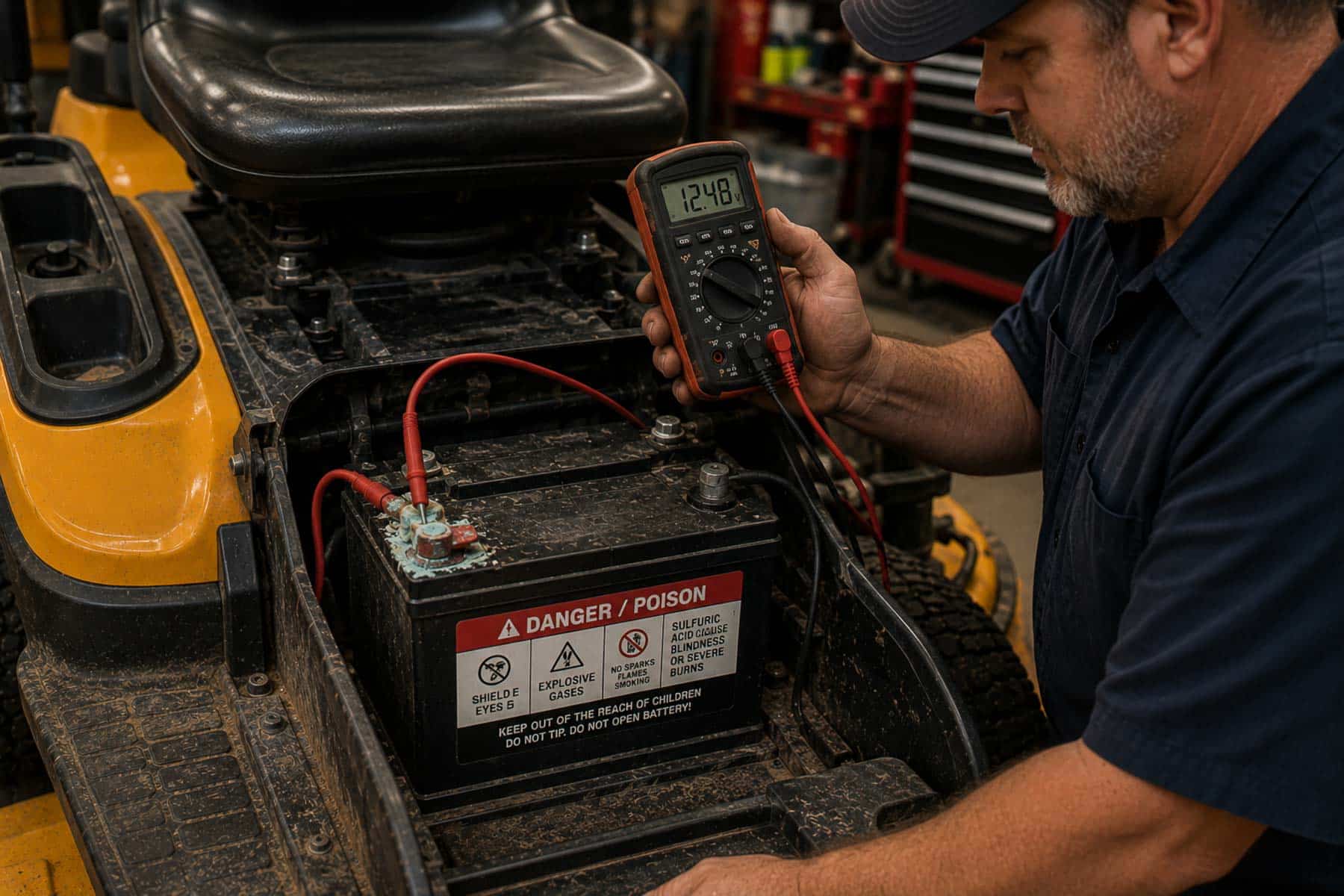
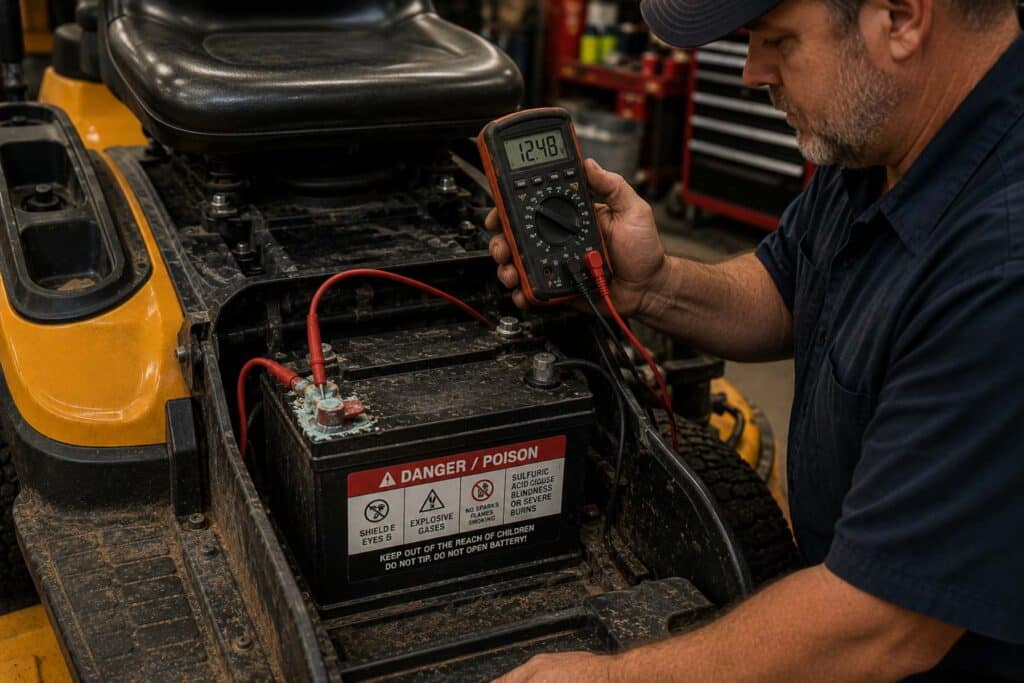
Battery problems are another common reason riding lawn mowers fail to start, especially after sitting unused during the winter months. Many homeowners pull their mower out in spring only to discover the engine clicks, turns over slowly, or does not respond at all. Sometimes the fix is simple. Other times, the battery has simply reached the end of its lifespan after years of seasonal use. In many cases, the issue is simply a weak or drained battery caused by long periods of inactivity.
Why Riding Mower Batteries Die Over Winter
Riding mower batteries naturally lose charge over time, especially during colder weather and offseason storage. In Western North Carolina and North Georgia, many mountain homeowners and seasonal property owners leave riding mowers stored for several months without running them regularly. This extended downtime can cause batteries to weaken significantly before mowing season begins again.
Corrosion & Loose Connections
Battery terminals can also develop corrosion during storage, which may interfere with the electrical connection needed to start the mower. Loose cables, dirt buildup, and moisture exposure can all contribute to charging and starting problems. Homeowners may notice clicking sounds, dim lights, or slow engine cranking when battery connections are not functioning properly.
When a Battery Needs Replacement
If a riding mower repeatedly struggles to hold a charge or requires constant jump-starting, the battery may simply be nearing the end of its lifespan. Most mower batteries gradually weaken over time and eventually need replacement after several seasons of use.
Regular battery maintenance, offseason charging, and clean connections can help improve reliability and reduce startup problems when mowing season returns.
Carburetor & Fuel System Problems
If a lawn mower still refuses to start after checking the fuel, spark plug, and air filter, the problem may be connected to the carburetor or fuel system. Fuel system issues are extremely common after lawn equipment has been sitting unused for several months, especially during winter storage.
How Old Fuel Clogs the Carburetor
As gasoline ages, it can leave behind sticky residue and varnish buildup inside the carburetor and fuel lines. This buildup can block the small passages responsible for delivering fuel to the engine properly. Ethanol-blended fuel often makes this problem worse because it absorbs moisture over time and breaks down more quickly during storage.
Mountain cabins and seasonal homes throughout Western North Carolina and North Georgia frequently experience these issues because equipment may sit unused for long periods between seasons.
Signs of Fuel Delivery Problems
A mower with carburetor or fuel system issues may crank repeatedly without starting, sputter during operation, stall unexpectedly, or only run briefly before shutting off again. Some homeowners may also notice strong fuel odors or difficulty keeping the mower running consistently.
When Carburetor Cleaning Is Needed
In some cases, adding fresh fuel may solve the problem. However, if stale fuel residue has already clogged the carburetor or fuel lines, the mower may require professional cleaning or repair before it will run properly again.
Repeated failed starts, ongoing stalling, or fuel leaks are often signs that deeper fuel system maintenance is needed.
Oil, Maintenance & Seasonal Neglect
Many lawn mower problems can be traced back to routine maintenance that was delayed, skipped, or forgotten over time. While some startup issues are caused by worn parts or fuel problems, others simply develop because the mower has not been properly serviced between seasons.
Why Seasonal Maintenance Matters
Regular maintenance helps lawn equipment run more efficiently and can significantly extend the life of the engine. Oil changes, blade sharpening, filter replacement, and fuel system checks all help reduce wear and prevent avoidable breakdowns during peak mowing season.
Without regular maintenance, small problems can gradually turn into larger and more expensive repairs over time.
Common Maintenance Homeowners Forget
One of the most commonly overlooked maintenance items is changing the engine oil. Old oil can become dirty and less effective at protecting internal engine components. Homeowners also frequently forget to sharpen mower blades, replace air filters, inspect spark plugs, or drain old fuel before offseason storage.
A few small maintenance steps each season can save homeowners a lot of frustration once the grass starts growing fast.
Mountain Properties & Long Equipment Storage
Throughout Western North Carolina and North Georgia, many mountain homes, cabins, and second properties leave lawn equipment sitting unused for extended periods during colder months. Long-term storage without proper preparation often increases the chances of fuel problems, dead batteries, moisture buildup, and startup issues when mowing season returns.
Seasonal tune-ups and preventative maintenance can help homeowners avoid many of the common mower problems that appear each spring and summer.
Signs It’s Time for Professional Repair
While some lawn mower problems are simple maintenance issues, others may point to larger mechanical or electrical problems that require professional repair. If your lawn mower won’t start after basic troubleshooting steps like replacing old fuel, changing the spark plug, or cleaning the air filter do not solve the problem, it may be time to bring it by the shop so we can help figure out what’s going on.
Smoking or Excessive Vibration
Heavy smoke, unusual vibration, knocking sounds, or sudden loss of power can sometimes indicate internal engine problems or damaged mower components. Continuing to operate the mower in these conditions may lead to additional damage over time.
Fuel Leaks & Engine Problems
Visible fuel leaks, strong gasoline odors, or repeated stalling can often signal problems within the fuel system, carburetor, or engine itself. In some cases, clogged fuel lines, damaged seals, or worn internal components may prevent the mower from running safely or consistently.
Repeated Starting Failures
If the lawn mower repeatedly won’t start despite replacing the fuel, battery, spark plug, or air filter, there may be deeper electrical or mechanical issues involved. Wiring problems, failing ignition components, or internal engine wear can all contribute to ongoing startup failures.
Spring and early summer are some of the busiest mower repair seasons throughout Western North Carolina and North Georgia as homeowners begin preparing their properties for warmer weather. Addressing mower problems early can often help prevent more expensive repairs and reduce downtime during peak mowing season.
If you’re not sure what’s causing the issue, sometimes the easiest thing to do is simply bring the mower by the shop before spending money on parts you may not actually need. We’re always glad to help point customers in the right direction and help prevent small problems from becoming bigger repairs.
Preventing Lawn Mower Problems Before They Start
Many common lawn mower problems can be avoided with regular maintenance and proper offseason storage. Taking a few preventative steps throughout the year can help improve engine performance, reduce breakdowns, and extend the overall life of the equipment.
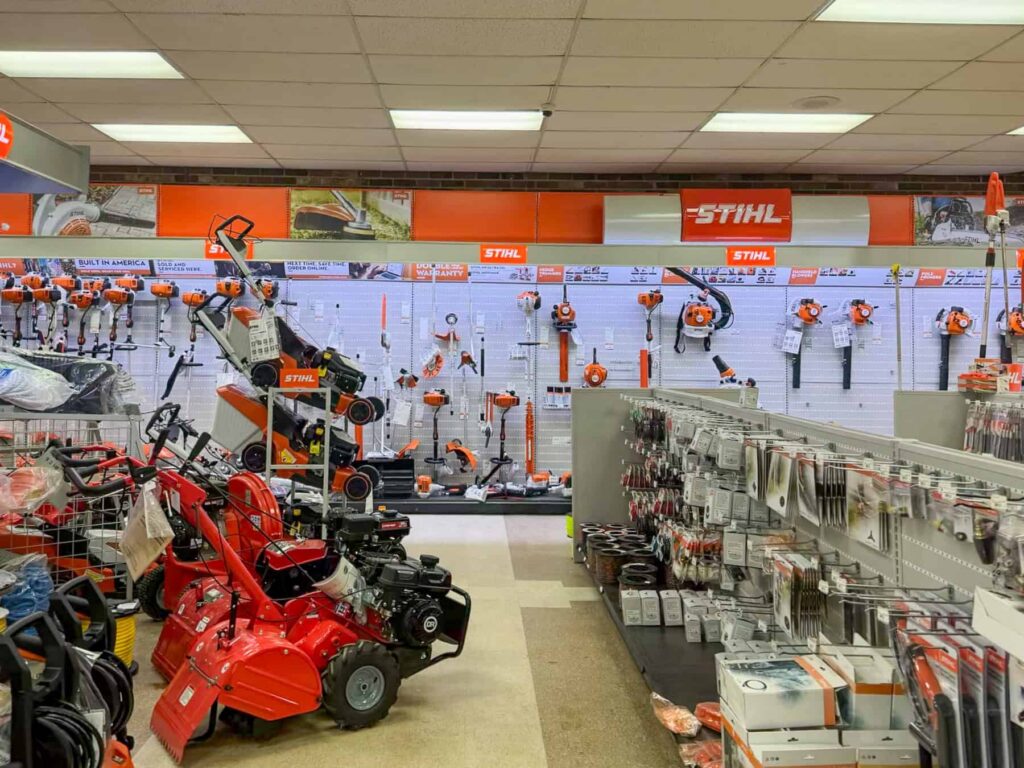
Fuel Stabilizer Helps Prevent Fuel Problems
One of the easiest ways to help prevent fuel-related issues is by using a fuel stabilizer before storing equipment during colder months. Fuel stabilizers help reduce moisture buildup and slow fuel breakdown inside the tank and carburetor. This can significantly lower the chances of stale fuel causing startup problems when mowing season returns.
Annual Tune-Ups Extend Equipment Life
Starting the season with sharp mower blades not only improves cutting performance but also reduces unnecessary strain on the engine.
Routine tune-ups help catch smaller maintenance issues before they become larger repairs. Services like oil changes, spark plug replacement, blade sharpening, and air filter replacement all help improve mower reliability and performance throughout the season.
Proper Offseason Storage Tips
Proper storage plays a major role in preventing lawn mower problems. Before storing equipment for winter, homeowners should drain or stabilize old fuel, clean grass buildup from the mower deck, inspect the battery, and store the equipment in a dry covered area whenever possible.
Throughout Western North Carolina and North Georgia, many mountain homeowners and seasonal property owners leave lawn equipment unused for extended periods. Preparing mowers properly before offseason storage can help reduce many of the common startup problems that appear each spring.
Frequently Asked Questions
Why won’t my lawn mower start after winter?
One of the most common reasons lawn mowers fail to start after winter is stale fuel left sitting in the tank for several months. Other common causes include dirty air filters, worn spark plugs, dead batteries, or carburetor buildup caused by offseason storage.
Can old gas prevent a mower from starting?
Yes. Old gasoline can begin breaking down after a few months and may leave behind sticky residue inside the fuel system and carburetor. This buildup can restrict fuel flow and make the mower difficult or impossible to start.
How often should mower spark plugs be replaced?
Many homeowners replace spark plugs once per mowing season, or anytime they begin noticing hard starts, sputtering, rough idling, or reduced engine performance. Spark plugs naturally wear down over time and may also develop carbon buildup during storage.
Why does my mower sputter or stall?
Sputtering or stalling can be caused by several issues, including old fuel, clogged air filters, carburetor buildup, dirty fuel lines, or spark plug problems. In some cases, the mower may require professional servicing to fully diagnose the issue.
Is lawn mower repair worth it?
In many cases, yes. Common maintenance and repair issues are often much less expensive than replacing the entire mower. Routine servicing can also help extend the life of lawn equipment and improve long-term performance.
How often should lawn mower maintenance be done?
Basic maintenance should be performed throughout the mowing season, while most homeowners benefit from a full mower tune-up once per year before spring or early summer use begins.
What maintenance should be done before mowing season?
Before mowing season starts, homeowners should inspect the fuel, battery, spark plug, air filter, oil, and mower blades. Replacing worn parts and performing seasonal maintenance can help prevent many common startup and performance issues later in the season.
Don’t Forget Your Lawn Mower Supplies
A successful mower tune-up or repair often requires more than just one replacement part. Having the right maintenance supplies on hand can help prevent future problems and keep your equipment running more reliably throughout the mowing season.
Most spring mower tune-ups require a few extra supplies homeowners may not think about until they need them. Depending on your mower and maintenance needs, homeowners may also need:
- Fuel stabilizer
- Replacement spark plugs
- Air filters
- Mower oil and engine oil
- Replacement mower blades
- Gas cans
- Shop towels and cleaning supplies
- Work gloves
- Seasonal maintenance products
Routine maintenance items like fresh fuel, clean air filters, sharp blades, and proper oil levels all play an important role in mower performance and long-term engine life.
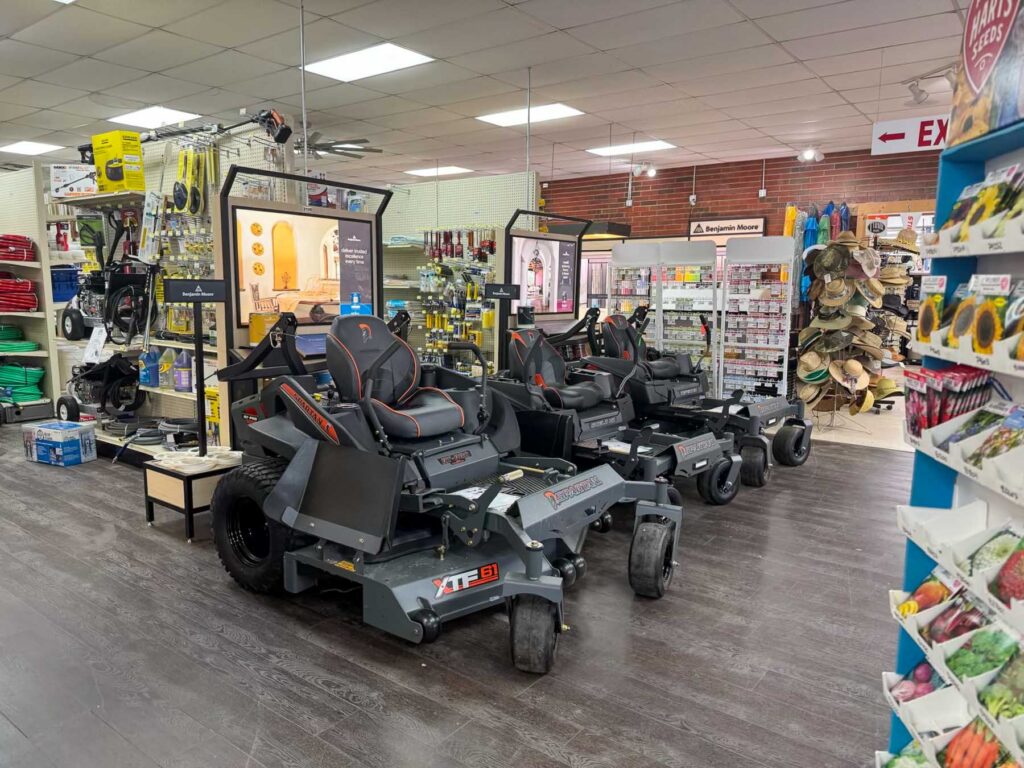
Once your mower is running, it’s time to enjoy everything summer in the mountains has to offer. Our Summer Essentials for Mountain Living guide shares local ideas for gardening, grilling, lake days, camping, and outdoor living throughout Western North Carolina and North Georgia.
At George’s Paint & Hardware, we help homeowners find the right products and maintenance supplies for their lawn equipment, whether they’re preparing for mowing season or troubleshooting common mower problems. From tune-up supplies to replacement parts and repair services, you’ll find everything you need in one place at George’s. And if you’re not quite sure what you need, just stop by the store, and we’ll be glad to help point you in the right direction.